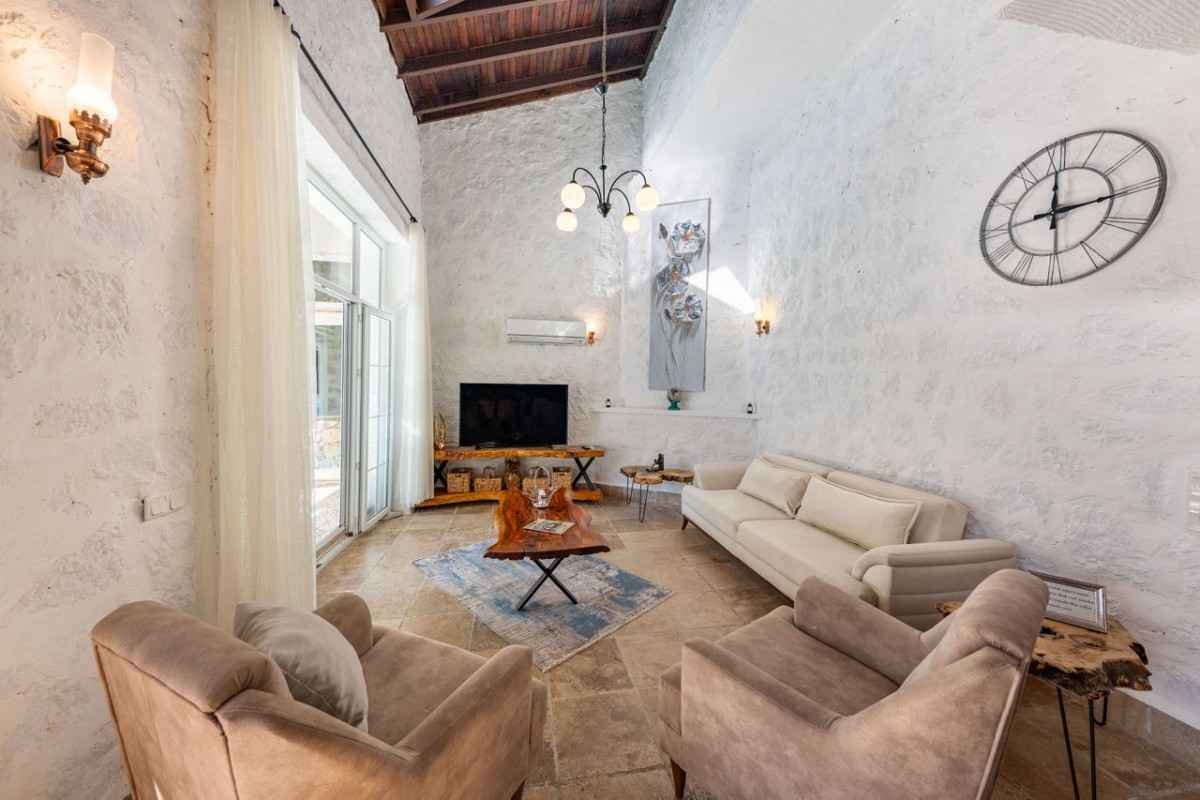
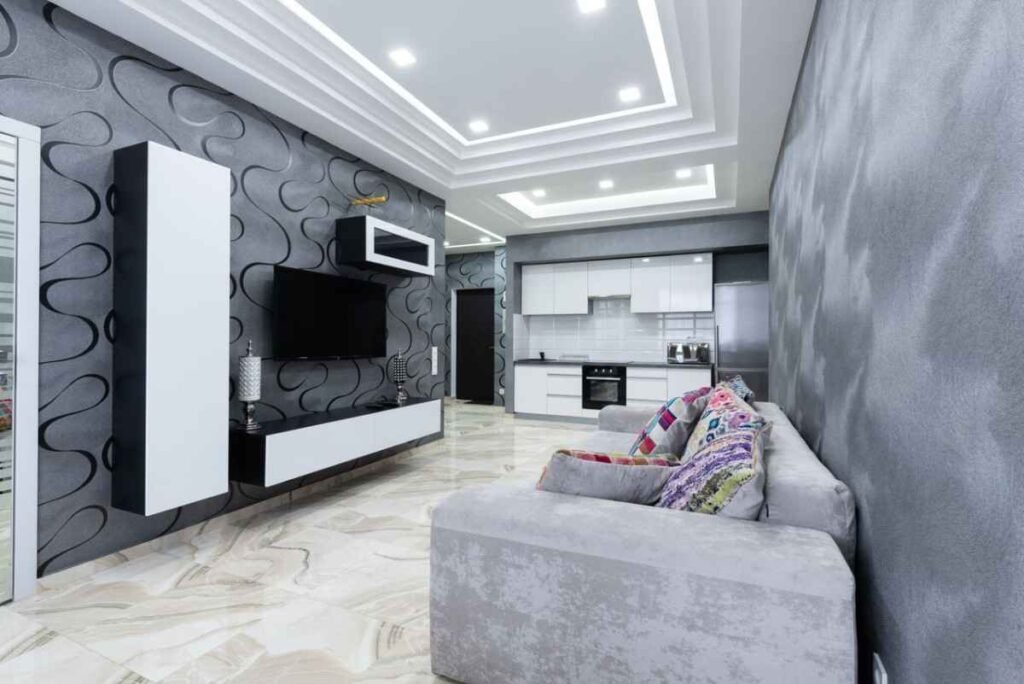
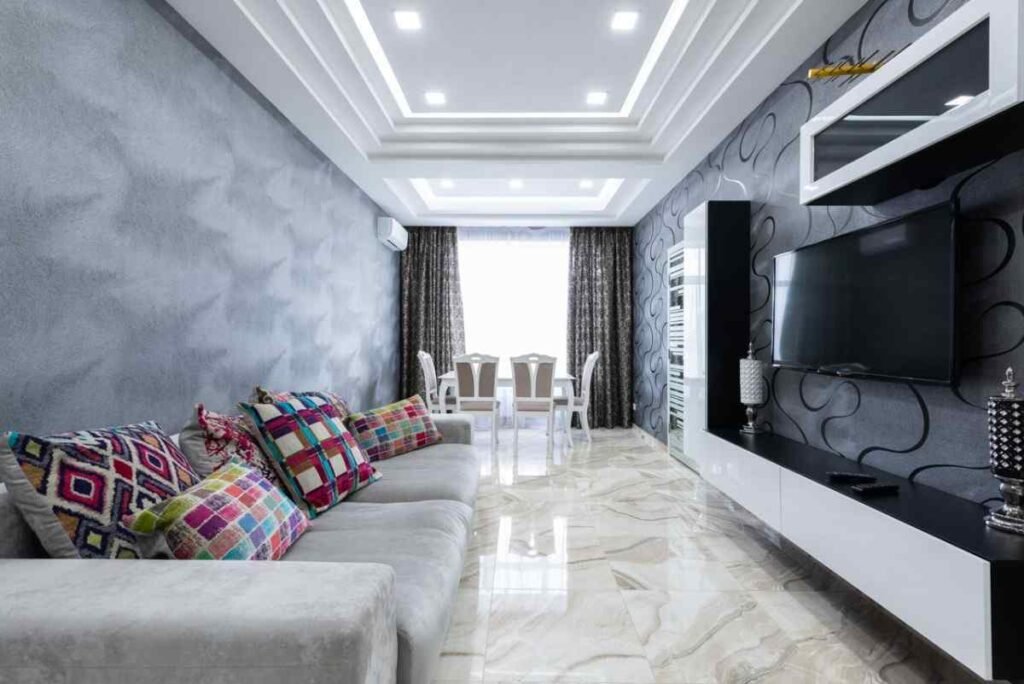
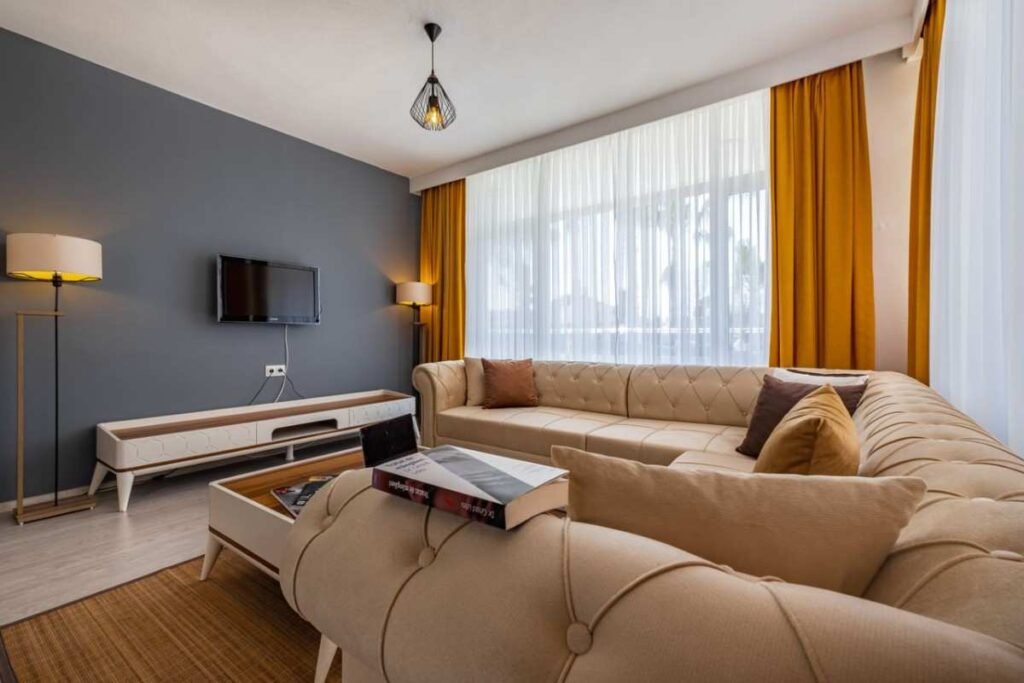
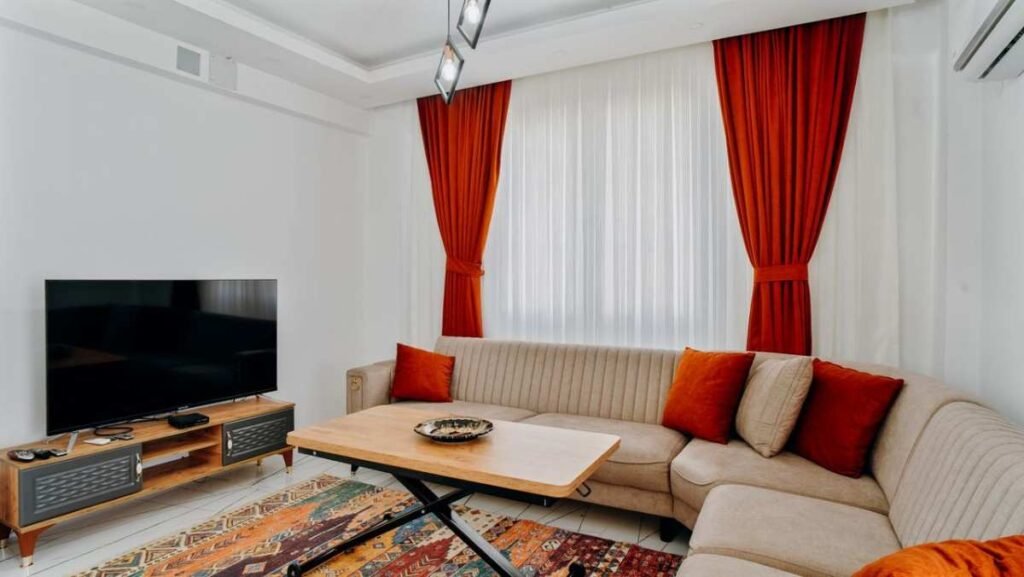
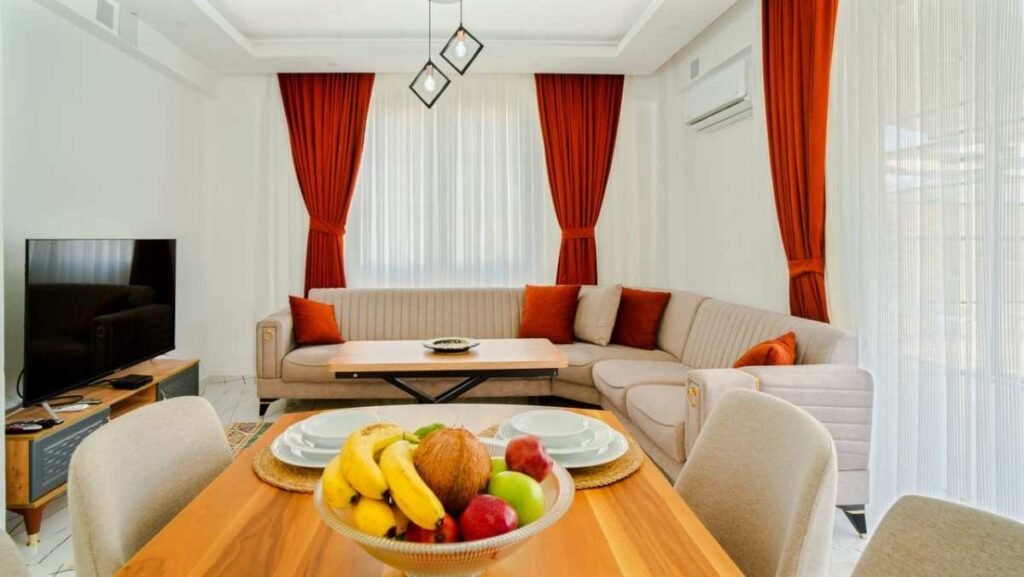
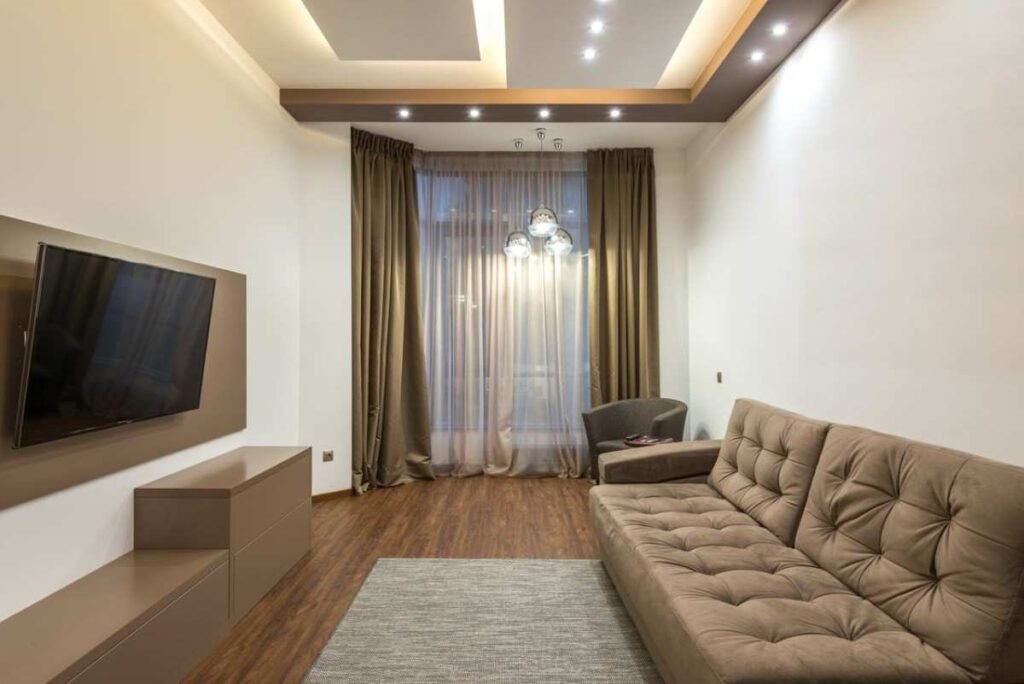
An LCD ceiling design is not a decorative trend—it is a digital architectural system used to transform ceilings into dynamic visual surfaces. It merges interior design, display engineering, lighting control, and content strategy into one integrated installation.
In real projects, this system is not used for “decoration.” It is used to control perception—how a space feels, how attention moves, and how brand identity is experienced.
You will typically see it in:
- Luxury retail environments
- Airport terminals
- Corporate lobbies
- High-end hospitality spaces
- Exhibition and experiential design zones
What separates a successful installation from a failed one is not screen quality—it is spatial discipline and design control.
Where Most LCD Ceiling Designs Fail
1. Designers treat screens like decoration instead of architecture
A ceiling is a dominant visual plane. When moving content is added without spatial logic, it disrupts human focus instead of supporting it.
2. No alignment between content speed and human perception
Fast motion content on ceilings causes discomfort because the ceiling is within peripheral vision for extended periods.
3. Structural underestimation
LCD systems are heavy, power-intensive, and heat-generating. Many failures come from using standard false ceiling frames that were never designed for load or maintenance access.
4. Lighting conflict
Improper ambient lighting reduces screen clarity and creates visual noise instead of immersive atmosphere.
Real-World LCD Ceiling Design Strategies
1. Full Immersive LCD Ceiling System (High-End Experience Architecture)
This is a complete transformation of the ceiling into a continuous digital surface.
Engineering structure:
- Reinforced steel suspension grid (not gypsum-based support)
- Modular LED/LCD panel assembly
- Dedicated ventilation channels for heat control
- Centralized control system (AV + content server)
Where it actually works:
- Luxury brand flagships
- VIP lounges
- Immersive exhibition spaces
Design principle:
The architecture must “disappear” so the content becomes spatial atmosphere, not an object on the ceiling.
2. Zoned LCD Ceiling Integration (Most Practical Professional Solution)
Instead of full coverage, only specific ceiling zones carry digital content.
How it is structured:
- Central or focal LCD cluster
- Surrounding gypsum or acoustic ceiling system
- Clear architectural framing between digital and static zones
Why professionals prefer it:
- Controlled visual hierarchy
- Lower maintenance cost
- Better comfort for long-duration occupancy
Key insight:
This is the most balanced solution between technology and livability.
3. Perimeter Digital Ceiling System (Edge-Driven Design)
This approach uses the ceiling perimeter as a digital frame.
Design execution:
- LCD strips or narrow modular panels along edges
- Central ceiling kept neutral (gypsum, acoustic, or matte finish)
- Integrated LED transition lighting between digital and static surfaces
Effect:
Creates a “floating environment” rather than a full digital overload.
Best use:
Hotels, corporate lobbies, premium retail corridors.
4. Hybrid Architectural Ceiling (Gypsum + LCD + Lighting System)
This is the most realistic solution in commercial architecture today.
System layers:
- Structural gypsum ceiling base
- Embedded LCD modules in defined cutouts
- Linear LED lighting as transition layer
- Hidden service access panels
Why it works:
It respects architecture while introducing digital behavior.
Professional rule:
The LCD must never break ceiling symmetry unless intentionally designed as a focal point.
5. Interactive Smart Ceiling Systems (Next-Generation Design)
This is not static display—it is responsive environment design.
Features:
- Motion-triggered content
- Occupancy-based visual adjustment
- AI-driven ambient scene changes
- Integration with building management systems (BMS)
Real applications:
- Smart airports
- Future-ready corporate campuses
- Experience-driven retail environments
Important reality:
Without strong content design discipline, interactivity becomes distraction instead of value.
Structural Engineering Requirements (Non-Negotiable)
1. Load-Bearing Metal Framework
LCD ceilings require engineered steel suspension systems. Standard gypsum framing fails under long-term load and vibration.
2. Thermal Management Design
Every LCD ceiling must include heat dissipation planning:
- Passive airflow channels or
- Active cooling modules depending on density
3. Service Accessibility Planning
Panels must be replaceable individually without dismantling the entire ceiling.
If maintenance access is ignored, the system becomes financially unsustainable.
4. Cable Architecture
Power and data systems must be separated and routed through controlled trays to avoid signal interference.
Content Design: The Most Ignored Part of LCD Ceilings
Most projects fail not because of hardware—but because of content misuse.
Effective content direction:
- Slow ambient motion (clouds, gradients, architectural sky simulation)
- Brand identity storytelling with minimal motion
- Soft environmental transitions tied to lighting mood
What destroys design quality:
- Fast animations
- High contrast flashing visuals
- Random looping videos without spatial context
Professional principle:
The ceiling is not a screen—it is a behavioral surface that influences mood over time.
Lighting Strategy for LCD Ceiling Design
Lighting must support, not compete with digital content.
Best practices:
- Indirect perimeter lighting instead of direct downlights
- Controlled color temperature (neutral to warm for comfort zones)
- Avoid reflective glare on display surfaces
Common mistake:
Overlighting the space reduces perceived contrast and destroys immersion quality.
System Comparison (Design Reality View)
| System Type | Architectural Control | Visual Impact | Maintenance Load | Best Application |
| Full LCD Ceiling | Low–Medium | Extremely High | High | Experiential luxury |
| Zoned LCD System | High | High | Medium | Commercial interiors |
| Perimeter System | High | Medium | Low | Hospitality, branding |
| Hybrid System | Very High | Balanced | Medium | Corporate + retail |
| Interactive System | Variable | High | High | Smart environments |
Critical Design Mistakes Professionals Avoid
- Treating LCD ceilings as decorative upgrades instead of spatial systems
- Ignoring thermal and service infrastructure
- Overusing motion-heavy content in human workspaces
- Breaking ceiling symmetry without intent
- Poor coordination between AV engineers and interior designers
- No maintenance access planning
Future Direction of LCD Ceiling Design (2026+)
The industry is clearly moving toward:
- Subtle ambient digital ceilings instead of full-screen environments
- AI-controlled adaptive visual mood systems
- Hybrid architectural ceilings combining physical + digital layers
- Energy-efficient micro-display technology
- Emotionally aware spatial environments
- Minimal motion design aligned with neuroscience-based comfort principles
The future is not “more screens”—it is smarter environmental control through screens.
Final Expert Perspective
A well-executed LCD ceiling design is not a display installation—it is an architectural experience system.
When engineered correctly, it controls atmosphere, strengthens brand identity, and enhances spatial perception without overwhelming occupants. When poorly planned, it becomes visual noise and a costly maintenance burden.
In professional practice, the ceiling is treated as a behavioral interface between architecture and human attention—and LCD systems must serve that relationship, not disrupt it.